Commercial Laminate Flooring vs. Traditional Hardwood
People searching for commercial laminate flooring or hardwood installation want reliable local contractors to help choose and install the best flooring type for their business needs.
Choosing between commercial laminate flooring and traditional hardwood can significantly impact the look, durability, and maintenance of a property. Property owners in the area often explore this topic to find flooring solutions that meet their specific needs, whether for high-traffic commercial spaces or residential interiors. Understanding the practical differences helps in making informed decisions, and local contractors specializing in flooring installation are available to provide insights tailored to each project’s requirements.
As you continue reading, you'll discover key factors that differentiate commercial laminate flooring from hardwood, including durability, cost-effectiveness, and installation considerations. Local service providers are equipped to help evaluate these options based on your property’s unique demands, ensuring the right flooring choice is made. Exploring this comparison can lead to a better understanding of what solutions are available and how they might fit into your space’s functionality and style.
Get Quotes for Commercial Laminate Flooring Or Hardwood Installation
- Commercial laminate flooring vs. traditional hardwood - businesses seeking durable, cost-effective flooring solutions often turn to local contractors experienced in both options.
- Commercial laminate flooring vs. traditional hardwood - property owners needing quick installation with minimal disruption may prefer local service providers specializing in laminate and hardwood setups.
- Commercial laminate flooring vs. traditional hardwood - facilities requiring moisture-resistant flooring for high-traffic areas can rely on local contractors to recommend suitable materials and installation methods.
- Commercial laminate flooring vs. traditional hardwood - renovation projects aiming for a specific aesthetic or longevity often involve local pros who can advise on the best flooring type for the space.
- Commercial laminate flooring vs. traditional hardwood - businesses looking to balance appearance and maintenance needs frequently consult local service providers experienced in both flooring options.
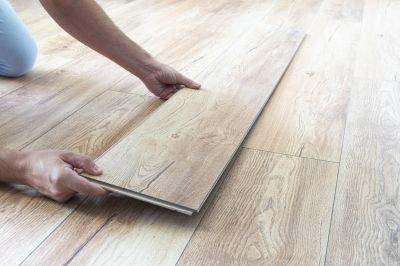
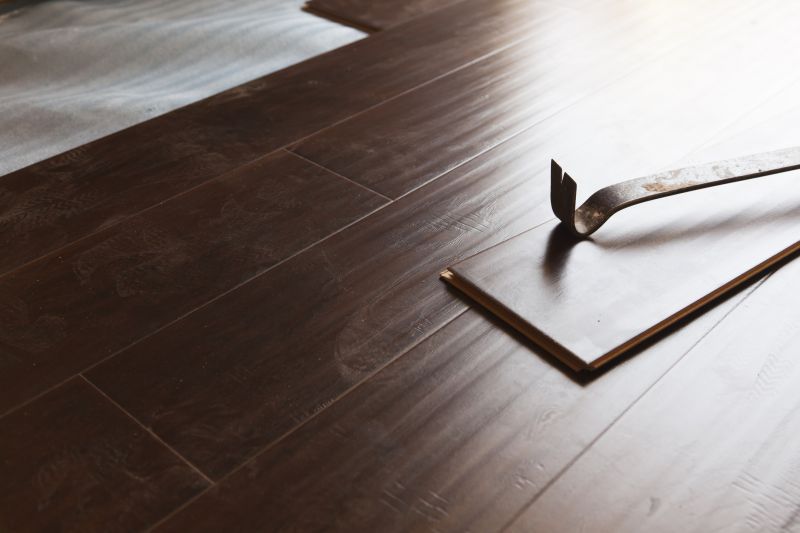
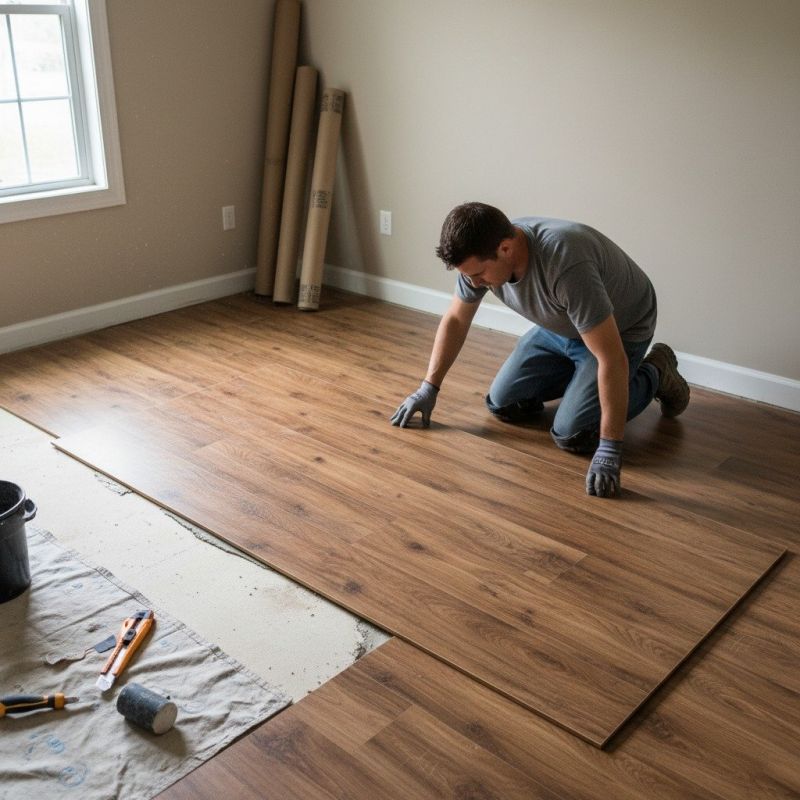
When people search for information about commercial laminate flooring vs. traditional hardwood, they are often trying to understand the key differences between these two popular flooring options for business or high-traffic spaces. This comparison typically arises during planning for new commercial projects, remodeling existing retail or office environments, or upgrading flooring in properties that experience frequent use. Homeowners or property managers may be weighing durability, appearance, and maintenance needs to determine which material best suits their space. The decision-making process involves considering how each flooring type aligns with the intended use, aesthetic preferences, and long-term performance expectations.
This topic is closely related to a variety of property-related challenges and plans. For commercial spaces, durability and cost-effectiveness are usually top priorities, especially in environments where flooring endures heavy foot traffic, spills, or frequent cleaning. Homeowners exploring options for their residential properties might consider these materials for areas such as basements, family rooms, or home offices. Property owners often seek guidance on how each flooring type impacts the overall look and feel of a space, as well as how it fits into their maintenance routines. Local service providers who specialize in flooring installation can help address these concerns by providing expert advice and professional installation tailored to each property’s specific needs.
The types of properties that frequently come up in discussions of commercial laminate flooring vs. traditional hardwood include retail stores, restaurants, offices, and other commercial facilities that require resilient flooring solutions. For residential properties, living rooms, kitchens, and finished basements are common areas where homeowners consider these options. Commercial properties often prioritize flooring that can withstand high traffic and frequent cleaning without showing wear, making laminate flooring a practical choice. Conversely, traditional hardwood is often selected for its classic appearance and warmth, especially in spaces where aesthetics are a primary concern. Local contractors who offer installation services can help property owners evaluate the best options based on the specific demands of their property.
Understanding the differences between commercial laminate flooring and traditional hardwood helps property owners make informed decisions that match their project goals. Whether the focus is on durability, appearance, or ease of maintenance, each flooring type offers distinct advantages. Homeowners and business owners alike often turn to local installation professionals to ensure the chosen flooring is properly installed and suited to the space’s requirements. These service providers can assess the property, recommend appropriate materials, and execute the installation with attention to detail. Connecting with experienced local contractors makes it easier to navigate the decision process and achieve a flooring result that supports the property’s function and style over the long term.
Commercial Flooring Installation - professionals experienced in installing various flooring types can adapt their skills for both laminate and hardwood projects, ensuring proper preparation and finishing.
Interior Renovation Projects - planning and executing space upgrades often involve flooring choices, requiring knowledge of different materials and their installation requirements.
Office or Retail Space Refurbishments - these projects demand durable and aesthetic flooring solutions, making local contractors' expertise in laminate and hardwood installation essential.
Subfloor Preparation Services - proper subfloor prep is critical for both laminate and hardwood flooring, and specialists in this area can ensure a stable foundation for either material.
Flooring Removal and Disposal - removing existing flooring materials is a common step before installing laminate or hardwood, requiring specific tools and techniques that local pros provide.
Commercial Space Planning - designing layouts that incorporate different flooring types involves planning and coordination skills similar to those needed for laminate vs. hardwood projects.
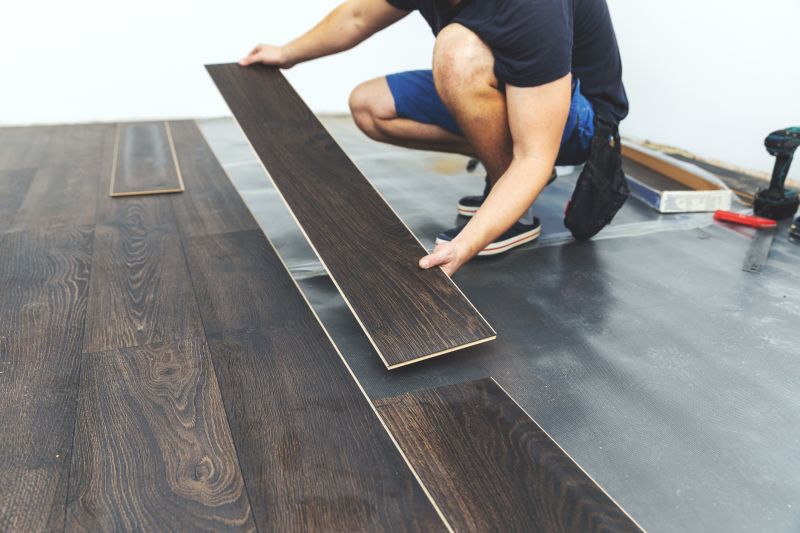
When comparing service providers for commercial laminate flooring versus traditional hardwood installation, it’s important to consider their experience with similar projects. Homeowners should inquire about the types of flooring projects the contractors have completed and whether they have handled installations in commercial settings or spaces with specific requirements. A contractor’s familiarity with the unique challenges of commercial laminate flooring-such as moisture resistance, durability, and installation techniques-can influence the quality and longevity of the finished work. Choosing a service provider with a proven track record in installing both types of flooring can help ensure that the project meets expectations and is completed efficiently.
Clear, written expectations are essential when selecting a contractor for either commercial laminate flooring or hardwood installation services. Homeowners should seek detailed proposals that outline the scope of work, materials to be used, and the projected timeline. This transparency helps prevent misunderstandings and provides a basis for comparing different service providers. Well-documented expectations also serve as a reference point throughout the project, ensuring that all parties are aligned on the goals and deliverables. Working with a contractor who communicates openly and provides thorough written estimates can contribute to a smoother installation process.
Reputable references and good communication are critical factors when evaluating local service providers for flooring projects. Homeowners should ask for references from previous clients who had similar work done, especially in commercial settings or with the specific flooring type being considered. Speaking with past customers can reveal insights into the contractor’s reliability, quality of work, and ability to address issues promptly. Additionally, responsive and clear communication during the initial consultation indicates a contractor’s professionalism and willingness to collaborate closely throughout the project. These qualities can help ensure that the installation of commercial laminate flooring or hardwood is handled smoothly and to the homeowner’s satisfaction.
Get a Quote for Commercial Laminate Flooring Or Hardwood Installation
Property owners often search for commercial laminate flooring vs. traditional hardwood when they are planning practical projects around their homes and businesses. Local pros provide Commercial Laminate Flooring or Hardwood Installation services for everyday jobs and straightforward project options.
When considering flooring options for a commercial space or a busy household, property owners often compare commercial laminate flooring vs. traditional hardwood to determine which best suits their needs. Commercial laminate flooring tends to be more resistant to scratches, dents, and moisture, making it a practical choice for high-traffic areas where durability is a priority. On the other hand, traditional hardwood offers a timeless aesthetic that can add warmth and elegance to a home or office, but it may require more maintenance and careful handling to prevent damage. Local contractors who specialize in flooring installation can help property owners evaluate their specific environment and choose the material that aligns with their daily routines and long-term goals.
Many property owners look into commercial laminate flooring vs. traditional hardwood when planning renovations or new installations, especially if they need a solution that balances appearance with practicality. For spaces that experience frequent use or where spills and impacts are common, local service providers often recommend laminate for its ease of maintenance and cost-effectiveness. Conversely, those seeking a classic look with the potential for refinishing over time might lean toward hardwood, with local pros able to provide expert installation to ensure the best outcome. Consulting with experienced local contractors can help property owners make informed decisions based on their space’s unique demands and aesthetic preferences.
Get a Quote for Commercial Laminate Flooring Or Hardwood Installation
How does the durability of commercial laminate flooring compare to traditional hardwood? Commercial laminate flooring generally offers higher resistance to scratches, dents, and moisture, making it suitable for high-traffic areas. Traditional hardwood can be more susceptible to damage but may be refinished to restore its appearance. Local contractors can help evaluate which option best withstands specific usage conditions.
What are the maintenance differences between commercial laminate flooring and hardwood? Commercial laminate flooring requires minimal maintenance, typically needing regular sweeping and occasional damp mopping. Hardwood may need more frequent care, including refinishing over time. Service providers can advise on maintenance routines tailored to each flooring type.
Can commercial laminate flooring be installed over existing flooring? Yes, many commercial laminate flooring options can be installed over certain existing surfaces, reducing installation time and disruption. Hardwood installation usually requires removing old flooring first. Local contractors can assess the current subfloor and recommend suitable installation methods.
How do aesthetic options differ between commercial laminate flooring and hardwood? Hardwood offers natural variations and a classic appearance with a wide range of wood species and finishes. Commercial laminate flooring can mimic hardwood looks with diverse styles and colors, often at a lower cost. Local service providers can help select the best visual match for a space.
Which flooring type is better for heavy commercial use? Commercial laminate flooring is often preferred for high-traffic environments due to its durability and resistance to wear. Hardwood can be used in commercial settings but may require more frequent maintenance and repairs. Local pros can recommend the most suitable option based on specific usage needs.
Durability considerations - Property owners can evaluate whether commercial laminate flooring vs. traditional hardwood suits high-traffic areas by consulting local contractors experienced in both options.
Installation environments - Choosing between laminate and hardwood can depend on the space’s moisture levels; local service providers can recommend suitable flooring types for kitchens, basements, or commercial settings.
Maintenance needs - Property owners might plan for ongoing upkeep by discussing with local pros which flooring type offers easier cleaning and longer-lasting appearance in their specific environment.
Design versatility - Deciding on the aesthetic style can involve exploring different finishes and textures with local contractors to match the existing decor and functional requirements.
If you are thinking about commercial laminate flooring vs. traditional hardwood for a property, this guide is meant to help you understand this topic, the typical project types, and how different options might fit your plans.
When you are ready, you can use the quote form on this page to share a few details about your project. From there, local pros can review the basics and follow up with options that match what you have in mind.
Get a Quote for Commercial Laminate Flooring Or Hardwood Installation